



Decorating a château first and foremost requires a sensitive and informed perspective on what defines its uniqueness: its history, its architecture, and its volumes. The goal is not to freeze the residence in a bygone era, but to reveal its soul while anchoring it in the present. These exceptional residences, marked by spectacular volumes and remarkable architectural details, call for a measured and refined approach, capable of combining respect for heritage with contemporary art of living.
At Mis en Demeure, we conceive the decoration of a château as a subtle dialogue between past and present. Each project seeks to preserve the identity of the place while adapting it to modern uses, creating spaces that are elegant, livable, and deeply distinctive. Decoration thus becomes a way of allowing the château to be lived in daily, without ever altering its architectural integrity.

Decorating a château also means rethinking uses and circulation within often impressive volumes. These spaces were not designed according to contemporary lifestyles; it is therefore essential to restore meaning to each area, to define functions clearly, and to create atmospheres suited to everyday life. Reception rooms, libraries, dining rooms, and bedrooms must now combine conviviality, intimacy, and comfort, while respecting the existing architecture.
This comprehensive approach helps avoid two common pitfalls: turning the château into a museum, making it static and distant, or conversely imposing excessive modernization that breaks with its identity. Decoration becomes a true balancing tool, connecting spaces, enhancing flow, and offering a coherent and timeless reading of the residence as a whole.
Immersing Yourself in the Château’s History and Architecture

The history of a château provides an essential starting point for guiding decorative choices. Understanding its period of construction, successive transformations, and architectural language allows one to grasp its spirit and defining lines.
The objective is not to replicate a period décor faithfully, but to respect the soul of the place. Moldings, wood paneling, fireplaces, cornices, and antique parquet floors are all structuring elements that should be preserved, restored, or highlighted to maintain the château’s identity.
A successful château decoration rests on this delicate balance: honoring the past while making room for a new chapter—the story of its current inhabitants. The project thus unfolds naturally between heritage, present-day living, and contemporary uses.


Choosing Furniture in Proportion to the Volumes
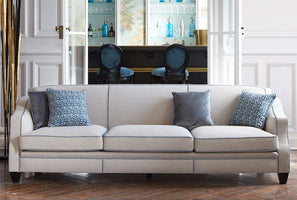
The proportions of a château require particular attention when selecting furniture. Each piece must integrate naturally into the space, asserting its presence without ever overpowering the architecture. Large-scale tables, boldly designed bookcases, and generous sofas become true visual anchors, grounding reception rooms and revealing their full scale.
The use of bespoke furniture allows for the accommodation of the singular configurations typical of these residences: significant ceiling heights, long perspectives, alcoves, or enfilades. Designed to engage in dialogue with the existing architecture, it integrates seamlessly into the volumes and reinforces the overall coherence.

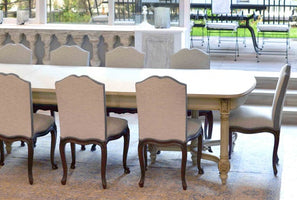
To maintain flexibility and balance, these structuring elements benefit from being paired with softer-lined pieces: bergère armchairs, upholstered seating, or coffee tables with rounded contours. Grand dining tables naturally extend into comfortable chairs, while fireplaces help organize areas dedicated to conviviality and relaxation.
Beyond their aesthetic presence, furnishings fully contribute to daily comfort. Deep seating, tabletops suited to large gatherings, and integrated storage solutions each respond to a precise function, while respecting the character of the place. In a château, comfort is expressed with restraint, through balanced proportions, carefully selected materials, and harmony perceived at first glance.
By playing with scale, alternating monumental pieces with more discreet elements, it becomes possible to compose visual sequences, create breathing spaces, and shape more intimate zones. Furniture thus helps structure large spaces while fostering a natural flow between reception and everyday living.


Materials, Textiles, and Colors: Creating a Timeless Atmosphere
The choice of colors and finishes plays a central role in the interior decoration of a château. Selected tones must reveal the volumes, highlight woodwork, and enhance natural light, while infusing the spaces with a distinctive personality.

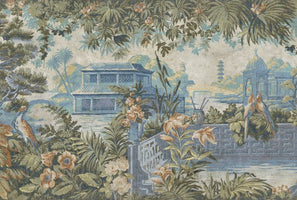
Panoramic wallpapers find their full expression here, adding depth, perspective, and refinement without compromising the authenticity of the place. Noble materials - solid wood, silk, velvet, crystal - naturally impose themselves, engaging in dialogue with the building’s history.
In reception rooms as well as bedrooms, textiles contribute to the creation of a warm and intimate atmosphere: heavy curtains, elegant rugs, upholstered headboards, and carefully selected cushions soften architectural lines and reinforce comfort.
Considering Lighting as a Scenography
In a château, lighting plays a fundamental role in showcasing the architecture. Ceiling heights, enfilades, wood paneling, and relief details require light to be conceived with precision. It does more than illuminate: it reveals volumes, accompanies perspectives, and adds depth to spaces.
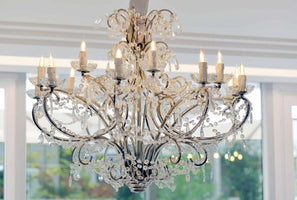
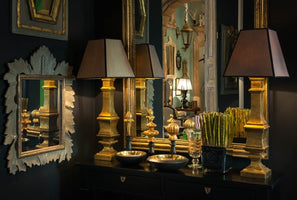
Lighting is organized as a multi-layered composition, where each source contributes to overall harmony. Majestic chandeliers and pendants structure reception rooms and emphasize verticality. Wall sconces highlight decorative details and extend architectural lines, while table lamps introduce more intimate accents, placed on a console, a bookcase, or a mantelpiece.

Lanterns also find their place within these residences of character. Positioned in a gallery, staircase, or near an entrance, they create a subtle continuity between interior and exterior and contribute to the luminous scenography.
Aged brass, blown glass, crystal, or refined finishes reinforce the timeless dimension of these lighting fixtures. Conceived as a true interior design tool, lighting becomes a structuring element: it enhances materials, softens volumes, and provides the warmth necessary for an inhabited atmosphere.
Selecting Accessories with Precision
In a château, decorative accessories fully contribute to the staging of spaces. They underline the architecture, engage with volumes, and enrich the reading of each room. More than their quantity, it is the precision of their selection and their placement that gives meaning to the whole.
Decorative objects, sculptural elements, and architectural details are chosen for their ability to structure space and create focal points. Period door handles, plaster busts, or mirrors with ornate frames become visual signatures, anchoring the decoration within a consciously embraced historical continuity.


Textiles and decorative objects also contribute to the richness of atmospheres. Generously draped curtains, carefully positioned rugs, and vases holding floral arrangements rhythmically punctuate spaces, accompany perspectives, and bring depth and warmth to interiors. Placed with intention, these elements reinforce the balance of volumes while affirming the character of the place.
In a château, every detail contributes to overall coherence. Accessories are not mere complements but integral components of the decorative project. Thoughtfully chosen and harmoniously composed, they help create an atmosphere that is rich, expressive, and coherent, faithful to the spirit of the place and the story it tells.


The Balance of an Exceptional Residence
It is within this subtle balance that decorating a château becomes a demanding exercise, where each choice must serve the history of the place as much as the comfort of those who inhabit it. Furniture, materials, lighting, and decorative accessories come together to compose an atmosphere that is elegant, distinctive, and enduring.

This balance extends beyond aesthetics; it also embodies a long-term vision. The decoration of a château often unfolds within a spirit of transmission. These exceptional residences are designed to endure through generations, evolving without ever losing their soul and welcoming new uses with ease.
Decorative choices therefore prioritize durability: quality materials, timeless furniture, and bespoke interior solutions capable of adapting to future needs. The Mis en Demeure collections, together with the expertise of our Interior Design Studio, support these exceptional projects with a sensitive and lasting approach, designed to reveal the full richness and character of these remarkable residences.


